6 Jun 2026
Capitalizing on New User Incentives in Real-Time Markets for Football, Tennis, and Horse Racing Events
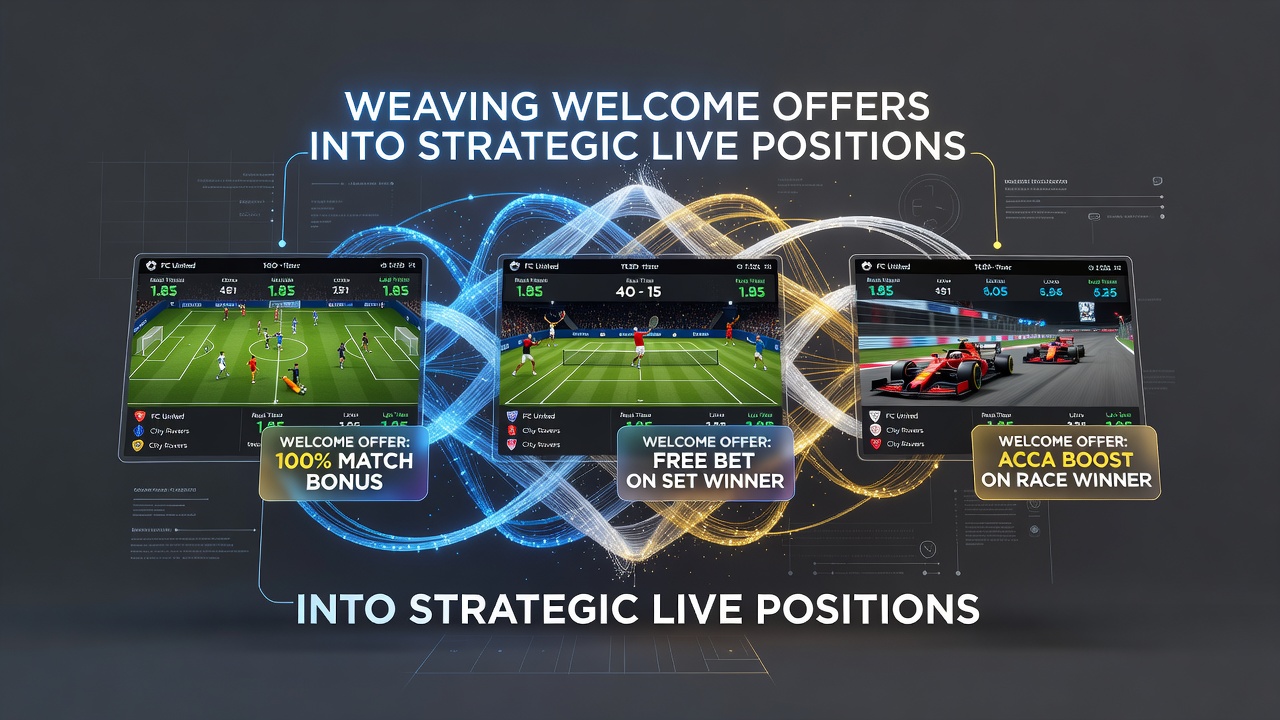
Operators across multiple jurisdictions have structured welcome offers to align with fluctuating in-play markets, and data from industry reports indicate that participants apply these incentives during live football matches, tennis sets, and racing sprints where odds adjust rapidly. According to figures released by the European Gaming and Betting Association, promotional balances now account for a measurable portion of turnover in live segments, particularly when fixtures occur in compressed schedules such as those clustered around June 2026 events including the FIFA World Cup qualifiers and major tennis tournaments.
Football fixtures present distinct windows for deploying matched deposit funds once a match begins. Observers note that early red cards or set-piece opportunities often shift prices enough to justify reallocating bonus stakes toward higher-volatility outcomes like next-goal markets or player-specific props. Those who monitor cash-out functions find that welcome-offer balances can hedge against half-time adjustments without drawing from settled funds, a pattern documented in operational summaries issued by several European platforms during the 2025-2026 season.
Patterns Observed in Tennis Live Markets
Tennis accumulators built around tie-break scenarios or service breaks allow welcome credits to target narrow margins where bookmakers refresh lines after each point. Research from academic analyses of betting behavior shows elevated activity in decider sets, when fatigue indicators become visible and prices drift. Operators report that players frequently convert introductory free-bet tokens into live positions on break-point opportunities, because the format of best-of-five matches creates multiple entry points within a single fixture. Data collected during the 2026 grass-court swing reveals that such repositioning occurs most often when one competitor’s first-serve percentage falls below seasonal averages.
Application Within Horse Racing Sprints and Distance Races
Racing operators have extended welcome-offer mechanics to in-running betting on pace dynamics, especially in sprints where sectional timing data updates continuously. Participants who receive matched bonuses at sign-up often direct portions of those balances toward late drifts on horses whose odds lengthen after the off, a tactic noted in reports covering evening meetings. During June 2026 festival periods, when multiple cards run concurrently with tennis and football schedules, industry trackers record higher volumes of live each-way positions funded partly through promotional wallets. This approach separates risk capital from core balances, allowing sequential bets on late price movements without immediate settlement pressure.
Cross-Sport Allocation Strategies
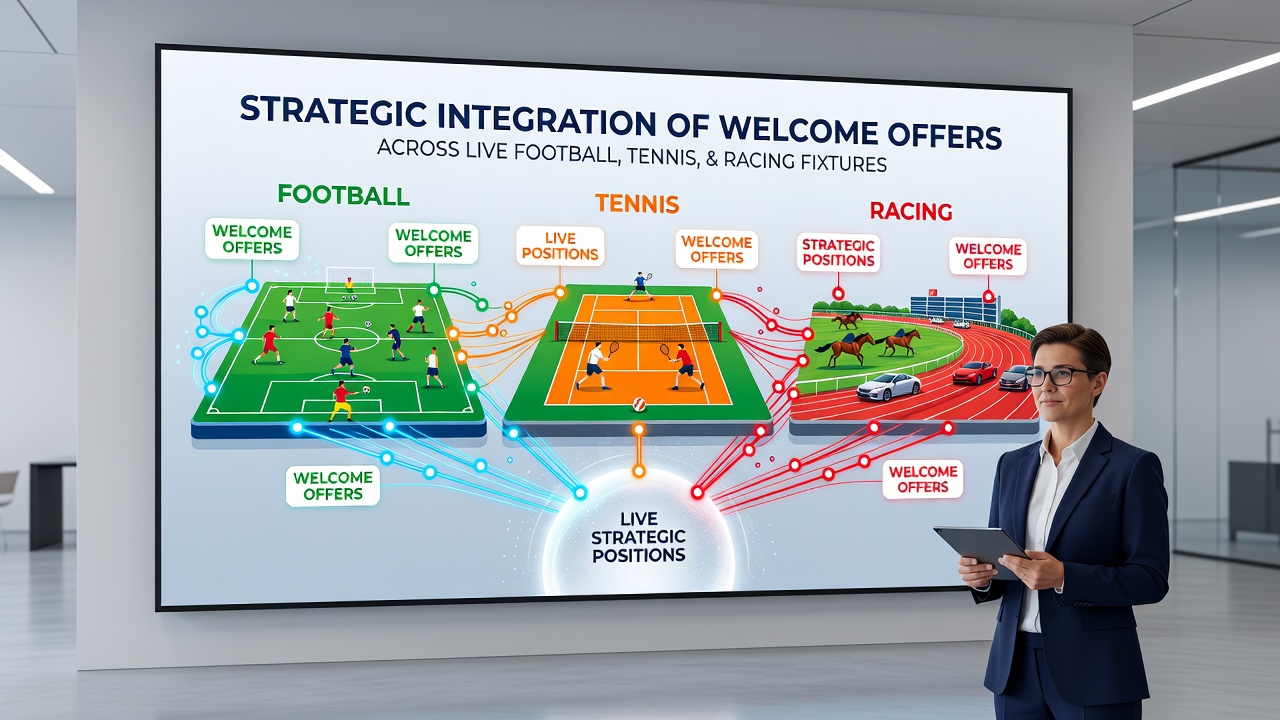
Multi-sport operators enable users to transfer remaining welcome balances between football, tennis, and racing markets within the same account session. Figures published by regulatory bodies in Australia and Canada demonstrate that such portability increases overall engagement during overlapping fixture calendars, particularly when live odds in one sport move unfavorably. Those managing portfolios often sequence bets so that a settled football position releases funds that then support a tennis set or racing sprint still in progress. Platform telemetry from June 2026 indicates this sequencing reduces idle promotional credit and aligns with the natural rhythm of simultaneous events.
Operational Adjustments by Platforms
Betting interfaces now display remaining welcome balances alongside live odds, a development tracked by several trade associations. This visibility encourages users to maintain active positions across different sports rather than allowing credits to expire. In jurisdictions outside the UK, including parts of the EU and North America, operators publish updated terms that clarify how live bets interact with rollover requirements attached to sign-up offers. Such transparency has coincided with measurable increases in in-play turnover, according to aggregated statistics shared at international gaming summits.
Conclusion
Integration of welcome incentives with live markets continues to evolve as operators refine settlement mechanics and data feeds across football, tennis, and racing. Patterns observed through 2026 show consistent application of promotional resources during high-volatility moments, supported by cross-jurisdictional reporting from bodies such as the European Gaming and Betting Association and research summaries from North American regulators. These developments reflect structural changes in how introductory offers function within real-time environments rather than isolated pre-match usage.