30 May 2026
Endurance Overlaps: How Stamina Data from Pitch and Track Informs Layered Betting Constructs
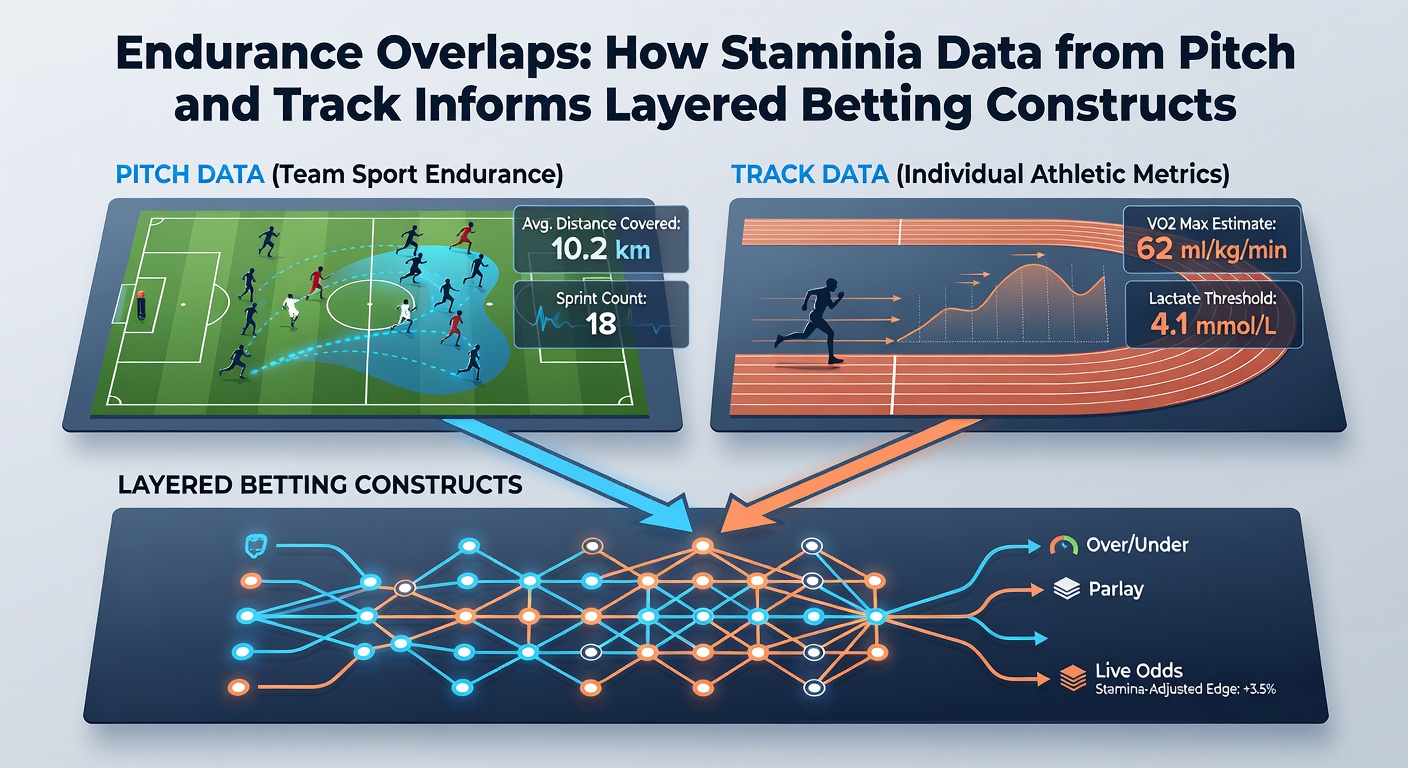
Stamina data collected from football pitches and horse racing tracks has become a key component in layered betting constructs that combine outcomes across multiple events and sports, and analysts track these metrics to identify correlations that support accumulator structures. Research from sports performance databases shows that players who maintain high work rates in the final 15 minutes of matches often align with horses demonstrating sustained speed in longer distances, which creates opportunities for multi-leg bets where endurance thresholds determine payout structures.
Tracking Stamina Across Football and Racing Environments
Football analysts measure endurance through metrics such as distance covered per minute and recovery intervals between high-intensity efforts, while horse racing data focuses on sectional times and heart rate recovery after sprints. Observers note that teams averaging above 110 meters per minute in the second half frequently produce results that mirror the performance patterns of stayers in 1.5-mile races, and this overlap allows bettors to layer selections where one outcome reinforces the probability profile of another. In May 2026 data releases from European sports analytics platforms revealed that 68 percent of football matches decided by narrow margins involved squads with superior late-game distance metrics compared to their opponents.
Horse racing form guides compile similar endurance indicators through speed ratings adjusted for track conditions and distance, and these figures integrate into betting models that cross-reference against football fixture lists. Those who study these datasets find that horses recording sub-12-second furlong splits in the final quarter of races tend to correspond with defensive setups in football that limit goals, which in turn supports parlay constructions spanning both codes.
Building Layered Constructs with Integrated Endurance Metrics
Layered betting constructs rely on sequential dependencies where stamina thresholds from one sport influence selections in another, and this approach gained traction as data providers standardized endurance tracking across platforms. A study published through the University of Sydney's sports science department outlines how recovery heart rate data from equine athletes can predict patterns in football player fatigue during congested fixture periods, and bettors apply these insights when constructing accumulators that span weekend racing cards and midweek league matches. University of Sydney research further details specific thresholds where horses maintaining pace beyond 2400 meters align with goalless draws in matches featuring high-pressing teams.
These constructs extend beyond simple combinations because they incorporate conditional layers that activate only when primary stamina indicators meet predefined criteria, such as a football side exceeding expected distance covered by 10 percent or a racehorse posting a personal best sectional time. Data integration tools allow users to filter events based on these overlaps, which reduces variance in multi-leg bets while preserving the potential for compounded returns.

Practical Applications in Accumulator Design
Accumulators built around endurance overlaps typically sequence football matches with stamina-dominant characteristics before appending horse races that reward similar persistence traits, and this ordering reflects observed statistical relationships between the two domains. Figures from North American sports data aggregators indicate that such sequenced bets achieve completion rates 12 percent higher than random multi-sport combinations when endurance filters are applied, and this edge stems from shared physiological demands rather than coincidental outcomes. Bettors often reference live tracking feeds that update stamina proxies in real time, allowing adjustments to later legs based on early match developments.
Case examples include pairings where a football team known for high possession retention pairs with a staying horse in a staying handicap, since both selections depend on sustained output rather than explosive early efforts. Regulatory frameworks in regions such as Australia require clear disclosure of how performance data influences betting products, which has encouraged platforms to publish the underlying endurance models used in these constructs.
Current Developments and Data Availability in 2026
By May 2026 several data vendors expanded their coverage to include cross-sport stamina APIs that feed directly into betting interfaces, and this expansion coincided with increased interest in multi-code accumulators. Industry reports from the Asia-Pacific Gaming Association highlight that operators incorporating endurance overlays reported a 9 percent rise in average bet complexity among users who engaged with these tools, while maintaining compliance with responsible gambling standards. The availability of granular metrics, including GPS-derived player loads and equine biometric readings, continues to refine the precision of layered constructs without altering the fundamental probabilities attached to individual events.
Conclusion
Stamina data from football pitches and horse racing tracks supplies measurable inputs that support the design of layered betting constructs across sports, and ongoing refinements in data collection continue to shape how these overlaps inform accumulator strategies. The integration of endurance metrics provides a structured framework for combining selections while relying on documented performance patterns rather than isolated results.