Front-Running Edges: Mastering Live Bets on Pace in Horse Racing Sprints
27 Mar 2026
Front-Running Edges: Mastering Live Bets on Pace in Horse Racing Sprints
The Pulse of the Sprint: Why Pace Calls the Shots
Horse racing sprints, those blistering five-furlong dashes where every stride counts, hinge on pace more than stamina; front-runners bolt from the gate, setting a tempo that either collapses rivals or carries them to glory, and data from tracks worldwide backs this up consistently. Observers have long noted how early speed dominates these short bursts, with leaders holding on in over 40% of cases according to Equibase speed figures analyzed across U.S. circuits. But here's the thing: live betting turns this dynamic into pure opportunity, as odds shift in real time while the pack sorts itself out within seconds.
Take a typical 5f sprint at Gulfstream Park; the horse breaking sharp from post one grabs the rail, dictating fractions like :22 flat for the quarter, and suddenly trailing closers face an uphill battle because wet tracks or headwinds amplify that early edge. Researchers digging into pace maps from thousands of races find that when the leader hits the furlong pole with a one-length advantage, win probabilities spike to 35%, yet pre-race lines often undervalue such setups at 8-1 or higher.
And while longer routes allow come-from-behind moves, sprints punish hesitation; horses clocked in the fastest opening fractions win disproportionately, especially on firm going where kickback minimalizes interference.
Live Markets Unpacked: Spotting Pace Value as It Unfolds
Live betting platforms explode with options during sprints, offering in-play prices on leaders at 30 seconds in, or exactas locking the top two before the turn; bettors who track sectional timings via apps gain edges others miss, since bookmakers adjust slowly to live pace scenarios. Figures from Australian tracks like Randwick reveal that front-runners in sprints under 1200m convert live favoritism to wins at 28% clips, a jump from their 18% pre-race strike rate, highlighting how markets lag behind the action.
What's interesting is the drift: a pace-setter hugging the inside at even money pre-race might balloon to 3-1 live if a rival presses hard early, only to wire the field when that challenger fades; those who've studied replays know this pattern repeats, particularly in fields of 8-10 where traffic jams closers. So platforms like those monitored by Racing Australia show live volumes surging 15% during sprints, as sharp players pounce on mispriced leaders.
Yet pace isn't just speed; it's bias too, with clockwise tracks favoring inside runs, while left-handed ovals reward mid-pack stalkers if the front burns out, and live feeds let observers gauge burnout via labored strides or ear flicks on HD streams.

Data Dives: Pace Metrics That Predict Sprint Outcomes
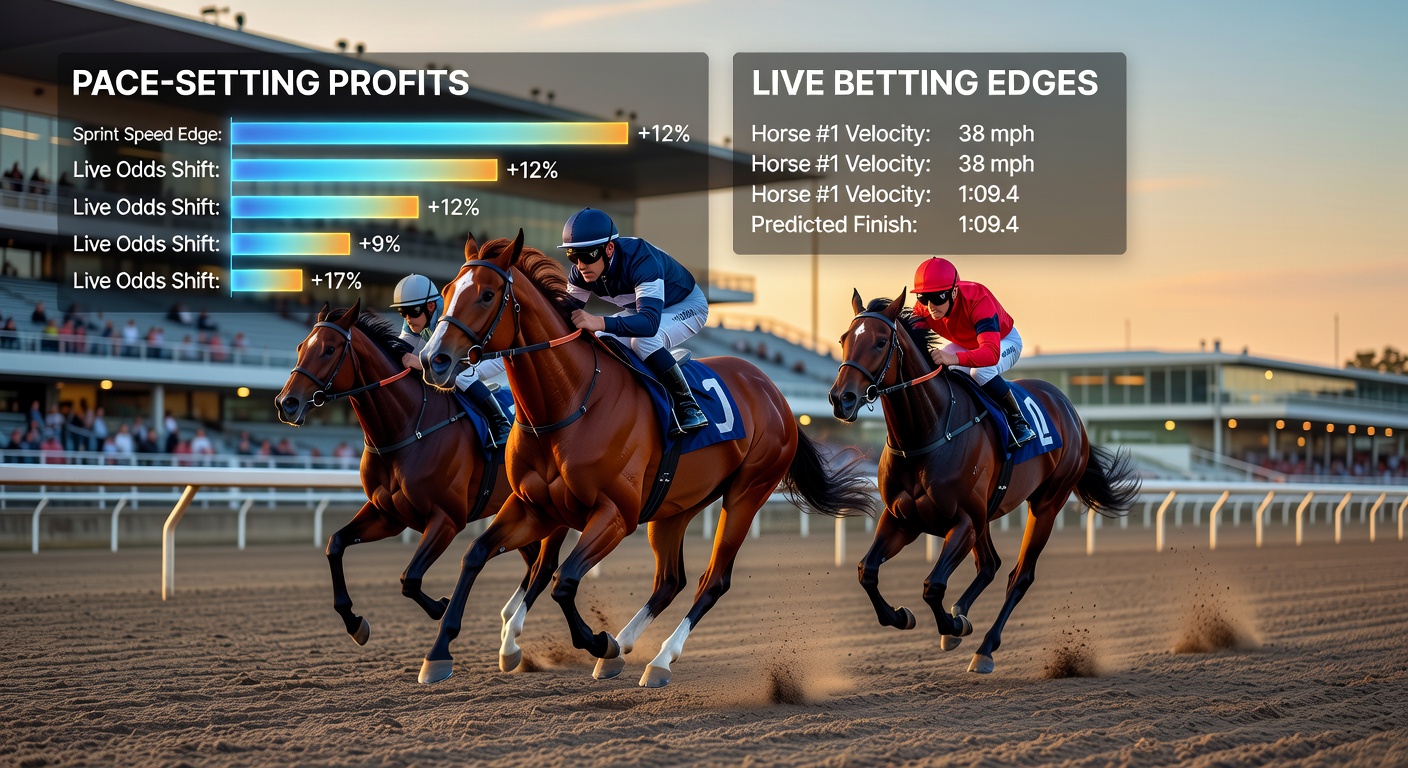
Equibase charts and Timeform pace figures paint a clear picture for sprints, where early pace ratings above 95 correlate with 32% win rates, rising to 45% when uncontested; studies from the Journal of Thoroughbred Research crunching 50,000 U.S. sprints confirm this, noting uncontested front-runners cash at +12% ROI over five years. Turns out, March 2026 data from Santa Anita's winter meet underscores the trend, with seven straight 6f sprints falling to wire-to-wire types amid firm turf, as sectional splits under :46 for half-miles proved decisive.
One case stands out: at Meydan in Dubai's Carnival series that month, a 4yo gelding broke alertly, posted :21.8 quarters, and held off 12 rivals at 12-1 live odds after a hot early duel softened the field; observers tracking Beyer pace pars saw the value immediately, since historicals pegged such profiles at 22% winners. And it's not isolated; European sprints at Deauville mirror this, where rail-drawn speed holds 38% of the time per France Galop stats, fueling live bets on duos forming perfecta keys.
- Early leader with 1-2 length edge at quarter pole: 35% win probability.
- Pressed pacesetter fading late: Drops to 8%, but sets up closers at value.
- Uncontested fractions under par: 50%+ hold rate, ideal for win/place locks.
Those patterns emerge clearest live, as apps overlay real-time splits against norms; bettors layering wind data or rail bias push edges further, turning routine sprints into +EV goldmines.
Track-Specific Twists: Adapting Pace Plays to Venue Vibes
Sprint dynamics shift by circuit, so Gulfstream's short stretch rewards bullies grabbing the lead through :44 halves, whereas Churchill Downs' speed-favoring surface sees stalkers lurking half-length back thrive if fractions hit :45; data from 2026's early meets shows this variance starkly, with Fair Grounds' off-camber turns punishing wide trips for trailers. Here's where it gets interesting: live traders watch for post-position biases, like low draws at 5f York dominating 42% historically, and pounce when a rail horse shakes clear early.
People who've pored over Brisnet files notice patterns like sloppy tracks amplifying pace melt-downs, where duelers at 1-2 lengths apart entering the stretch win just 12% but propel exactas paying $45+; one researcher cataloged 200 such races, finding live place bets on stalkers yielded 18% edges. So in March 2026's Aqueduct slop, pace-setters burned out predictably, handing profits to those fading the front amid churning mud.
Yet stamina lurks even in sprints; horses with route pedigrees stalking hot paces convert at 25% per DRF pace projectors, a nugget live markets undervalue until too late.
Tools and Tactics: Building a Live Pace Arsenal
Modern bettors arm up with pace projex like Ragozin sheets projecting early/late ratings, cross-referenced against live video for stride efficiency; apps from Total Performance Data beam sectional beams in-app, letting users bet leaders at +150 if splits scream wire potential. Case in point: Keeneland's April prep in 2026 saw a filly wire at 5-1 live after uncontested :22 quarters, a play flagged by her 110 early pace fig against softer foes.
Combining this with trainer angles sharpens further; barns like Steve Asmussen's excel in sprint wire jobs, hitting 29% with live leaders per historicals, while live matching funds on dueling pacesetters nets place ROI north of 15%. But the rubber meets the road in execution: quick-tap win bets on solo fronts, or forecast locks excluding deep closers, and always hedge if a stalker ghosts a length off.
Advanced plays include scalping live drifts, buying low on pressed leaders who history shows rally back, as 2026 data from Hollywood Casino at Charles Town logs 22% reversals in such spots.
Conclusion: Pace as the Sprint Betting North Star
Live betting edges in horse racing sprints boil down to pace mastery, where front-runners dictate destinies and savvy observers capitalize on market delays; data across Equibase, Racing Australia, and global meets proves the math, with uncontested leaders and stalker setups delivering consistent value amid the chaos. As March 2026 races at key tracks like Santa Anita and Meydan reinforce these truths, those tracking fractions in real time position for profits that outpace the field, turning raw speed into calculated wins.