4 Jun 2026
Seasonal Influences on Stacked Betting Frameworks in League Games and Field Events
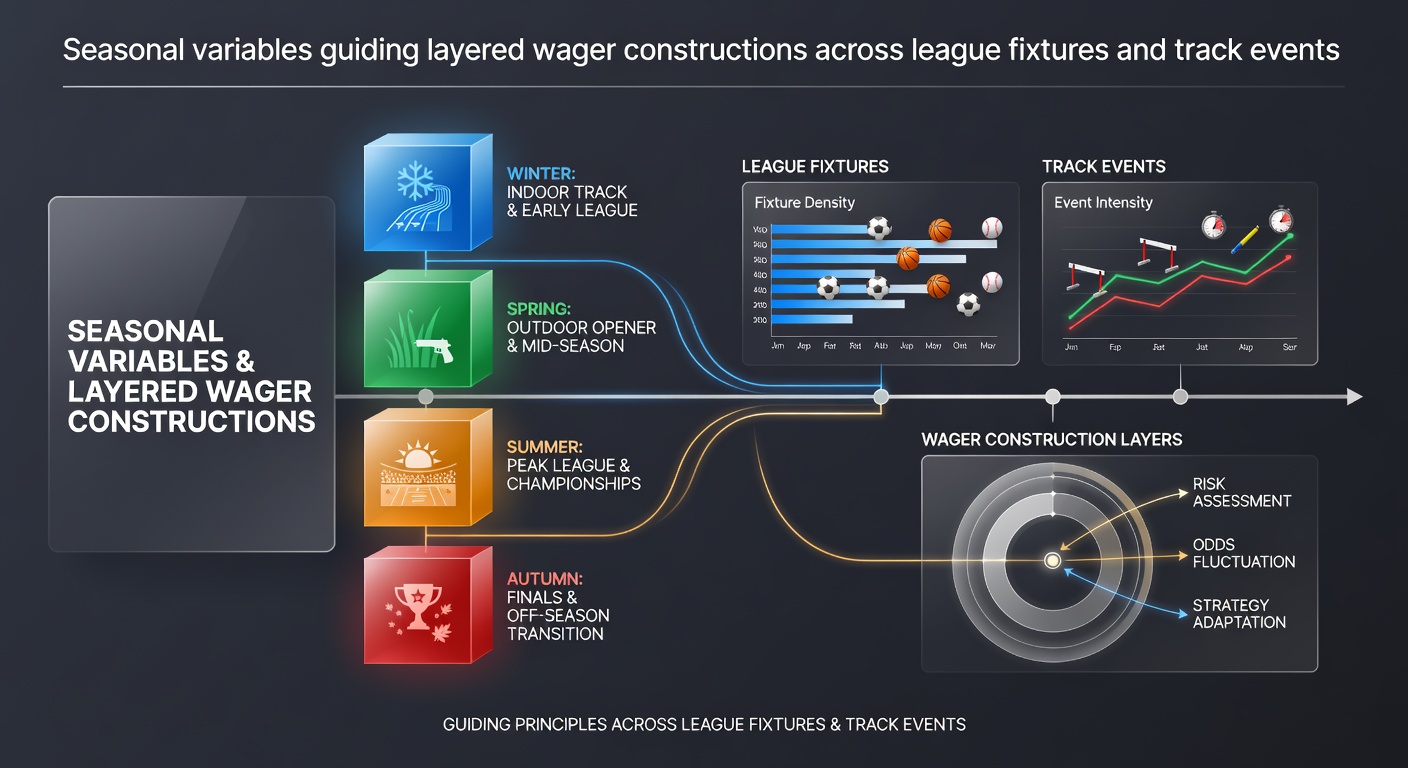
Seasonal variables such as temperature fluctuations, fixture density, and daylight variations play measurable roles in how bettors construct multi-layered wagers across soccer leagues and athletics competitions, with analysts tracking these elements to refine accumulator structures throughout the calendar year.
Data compiled by European sports performance institutes shows that winter months often coincide with higher rates of defensive outcomes in northern European leagues, while summer schedules in southern hemispheres introduce humidity factors that alter sprint event timings on the track. These patterns feed directly into wager layering because they affect both team and individual athlete metrics simultaneously.
Fixture Congestion and Performance Metrics
League calendars create periods of elevated match density, particularly between October and December when domestic cups overlap with continental competitions, and researchers at the University of Queensland have documented corresponding dips in away-team scoring averages during these stretches. Bettors incorporate such statistics into layered constructions by pairing soccer results with track events that share similar endurance demands, creating parlay combinations that account for recovery windows rather than isolated matches.
June 2026 marks a notable transition point because several major athletics circuits shift from indoor to outdoor venues, aligning with the close of many European soccer seasons and opening new data sets for cross-sport wager models. Observers note that this timing allows for direct comparisons between fatigue indicators in final league rounds and early-season track performances where athletes adjust to different surface conditions.
Weather Variables Across Regions
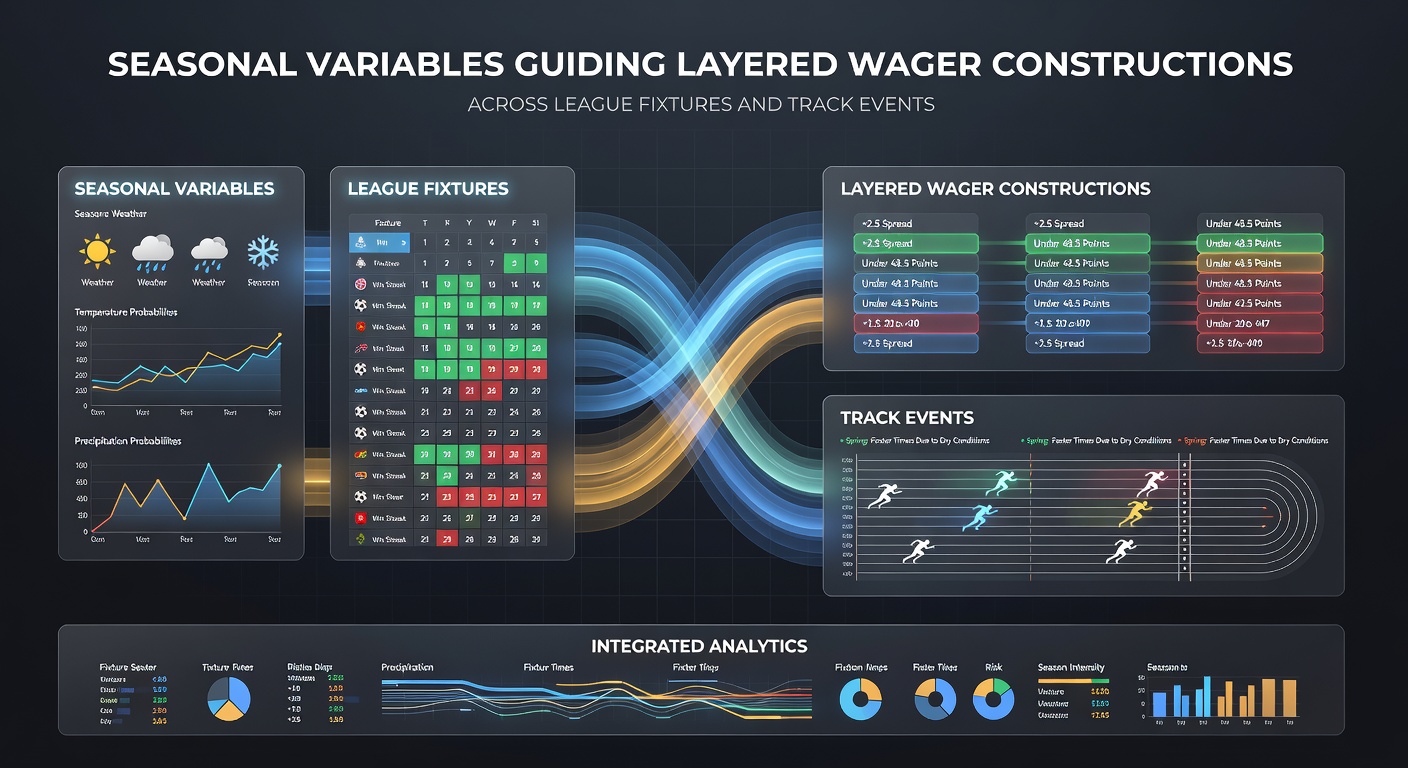
Temperature and precipitation records from the Australian Bureau of Meteorology reveal consistent correlations between rainfall levels and both soccer goal tallies and 400-meter hurdle times, prompting wager builders to adjust stake distributions when forecasts indicate prolonged wet periods. These adjustments extend across hemispheres because southern hemisphere track meets often occur during northern league off-seasons, providing year-round data streams that support continuous layering strategies.
One documented case involved a cluster of fixtures in the English Championship coinciding with a wet spell in Melbourne, where analysts cross-referenced reduced passing accuracy figures against slower track splits to construct accumulators that weighted underdog selections accordingly. Such integrations rely on synchronized datasets rather than single-sport assumptions.
Daylight and Scheduling Effects
Extended daylight hours during summer months shift kickoff times and training schedules, and studies published by Canadian sports science centers indicate measurable impacts on both player reaction speeds and sprinter start times. Layered wager frameworks account for these shifts by combining evening league matches with morning track sessions, where circadian adjustments create identifiable edges in performance projections.
Betting operators in regulated markets outside the UK have begun publishing seasonal trend reports that highlight these overlaps, enabling more precise construction of multi-leg bets that span both codes. The approach treats each variable as an input rather than an isolated factor, building redundancy into the overall structure.
Data Integration Practices
Industry reports from the National Council on Problem Gambling in the United States emphasize the growing use of aggregated performance databases that merge league statistics with athletics timing records. These resources allow wager constructors to test seasonal hypotheses across multiple years, refining models that link, for instance, late-autumn fixture piles wth corresponding drops in field event distances.
Turnout data from international athletics federations further supports these constructions because attendance and travel schedules introduce additional variables that align with league congestion periods. Analysts combine such figures with historical weather archives to generate probability adjustments that apply across both sports without requiring separate seasonal resets.
Conclusion
Seasonal variables continue to supply quantifiable inputs for layered wager constructions that span league fixtures and track events, with ongoing data collection from multiple regulatory regions supporting more integrated approaches. The alignment of calendar events such as the June 2026 transition periods provides fresh datasets that maintain continuity in these frameworks across hemispheres and competition types.