Strategic Timeline Mapping for Layered Position Entries Across Football, Racing, and Racquet Sports
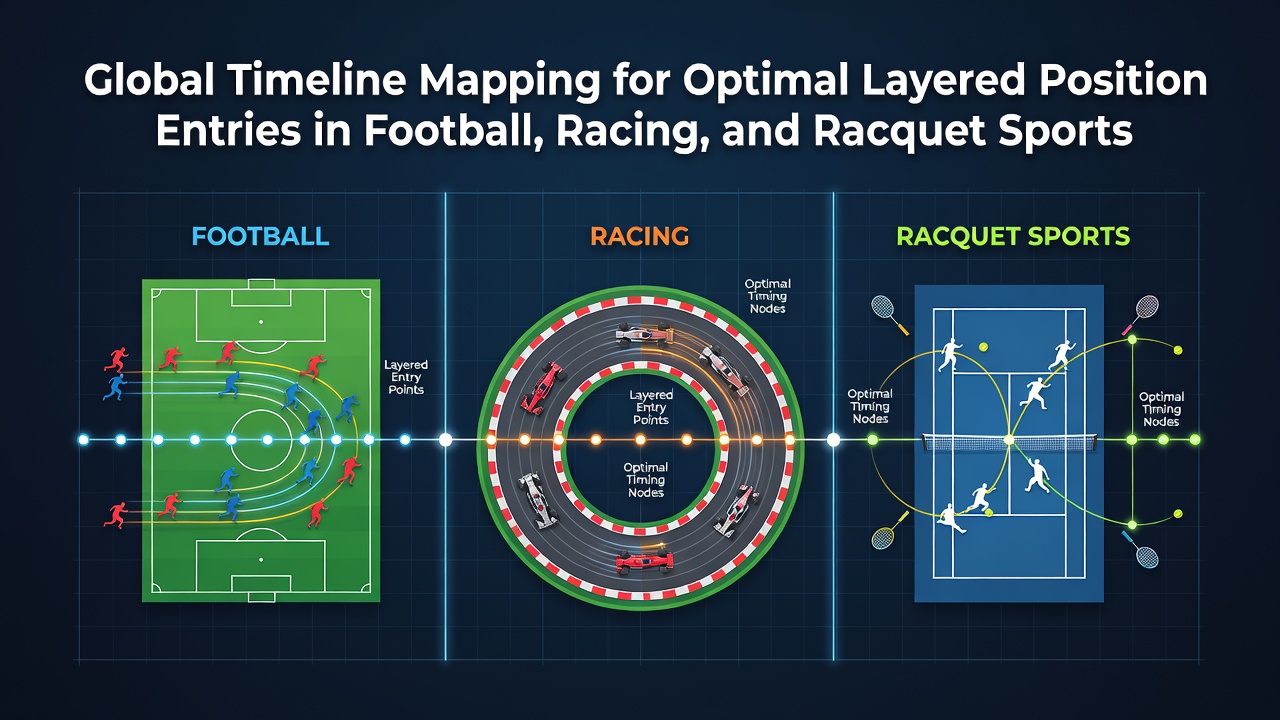
Global timeline mapping involves charting event schedules from multiple continents to identify precise windows for entering positions in football, horse racing, and racquet sports such as tennis, and observers note that this approach coordinates entries across time zones rather than treating each sport in isolation. Data from international sports calendars shows overlapping fixtures create opportunities where one event's progression informs the next, allowing layered entries that build on initial outcomes while adjusting for subsequent developments.
Core Principles of Timeline Mapping
Researchers at institutions studying sports scheduling have documented how time zone differences affect betting windows, and figures from the Australian Gambling Research Centre indicate that events spanning Asia, Europe, and the Americas produce distinct entry sequences when mapped together. A layered position starts with an initial stake tied to an early fixture, then adds or adjusts based on live developments in later events, which creates a structure that responds to real-time data flows rather than static pre-match decisions.
Those who analyze fixture lists find that football matches in the English Premier League often conclude before evening tennis sessions in the Asia-Pacific region begin, and this sequencing permits initial football positions to establish baselines that inform tennis entries hours later. Horse racing cards from North American tracks frequently overlap with late European football, creating additional layers where pace data from one informs the next.
Application in Football Scheduling
Football leagues operate on dense calendars that cross multiple continents, and timeline mapping highlights how UEFA Champions League evening fixtures in Europe align with South American league starts the following day. Positions entered during European matches can layer into South American fixtures once halftime data becomes available, and reports from the Nevada Gaming Control Board note increased activity during these staggered windows in recent seasons. Observers track goal timing patterns across leagues to refine entry points, with data indicating that certain time slots yield more consistent progression signals than others.
Layering Across Time Zones
When European morning matches conclude, afternoon North American races begin, which allows football-derived information to inform racing positions within the same calendar day, and experts have observed that this creates sequential adjustments rather than isolated bets. Global mapping tools compile these overlaps into visual sequences that show where one sport's result window feeds directly into another's entry opportunity.
Racing and Racquet Sport Integration
Horse racing meets in Australia and New Zealand often precede European tennis tournaments by several hours, and this gap permits racing pace analysis to shape tennis break-point positions once play starts. Racquet sports feature set-by-set structures that align with later racing cards in the Americas, and studies from Monash University have examined how cumulative data from earlier events influences entry timing in these sequences. Layered positions in this context build from initial racing results into tennis set entries, then extend toward evening football if schedules permit.
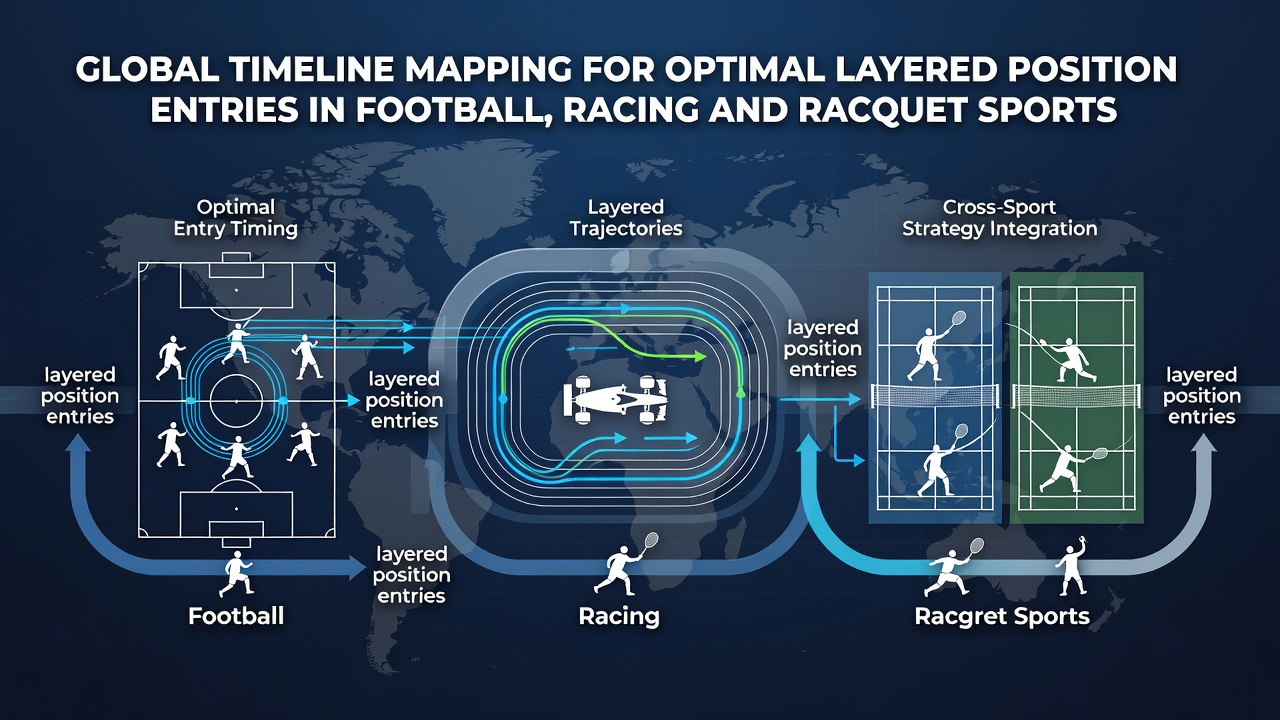
July 2026 features major tennis events in North America that coincide with prominent European racing festivals and football pre-season tours, and analysts note these periods generate extended mapping sequences because multiple sports run concurrently across time zones. Data compiled during similar calendar alignments shows increased layering activity when events span more than twelve hours of continuous coverage.
Practical Mapping Techniques
Analysts compile schedules from governing bodies into unified timelines that mark potential entry points at each transition, and this method reveals where a football halftime coincides with a racing post time or tennis changeover. Positions are adjusted in stages rather than all at once, which permits responses to unfolding results while maintaining overall structure across the three sports.
Industry reports from the Canadian Centre on Substance Use and Addiction have tracked participation patterns during multi-sport overlap periods, and the findings indicate that sequenced entries correlate with longer engagement windows than single-sport approaches. Mapping therefore functions as a coordination tool that aligns entry decisions with the natural rhythm of global fixtures rather than forcing simultaneous commitments.
Conclusion
Global timeline mapping establishes a framework for layered position entries by aligning football, racing, and racquet sport schedules across time zones, and the approach relies on documented fixture overlaps rather than isolated event analysis. Data from regulatory and research bodies continues to document activity patterns during these coordinated windows, particularly around periods such as July 2026 when multiple major events converge. The method remains grounded in schedule sequencing and live data progression, providing a structured way to connect positions across the three sports without requiring simultaneous decisions.